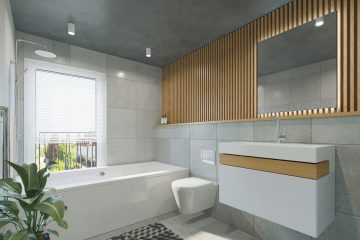
Freestanding Baths
Updated
A freestanding bath sits in the middle of a bathroom rather than against a wall: classic clawfoot, modern slipper, double-ended, single-ended. The format defines the bathroom around it rather than fitting into existing plumbing. Durovin Bathrooms, Furniture in Fashion and Robert Dyas between them cover £39-£1,418 across the range. Material: cast iron (the heaviest at 100-200kg empty, holds heat best, expensive); pressed steel with enamel (lighter, cheaper, good heat retention); acrylic (the lightest and most common, warmer to touch on entry, less heat retention long-term); composite stone (premium, very heavy, holds heat the longest). Standard sizes: 1500-1700mm long for compact; 1800-2000mm for full luxury. Look for an acrylic bath with double-skin construction for the household pick - single-skin acrylic feels thin and loses heat fast. Floor support matters: a 200kg cast-iron bath full of water and one adult exceeds 350kg; first-floor bathrooms over older joists need engineering check before fitting.
14 Freestanding Baths from 2 UK Retailers in July ’26